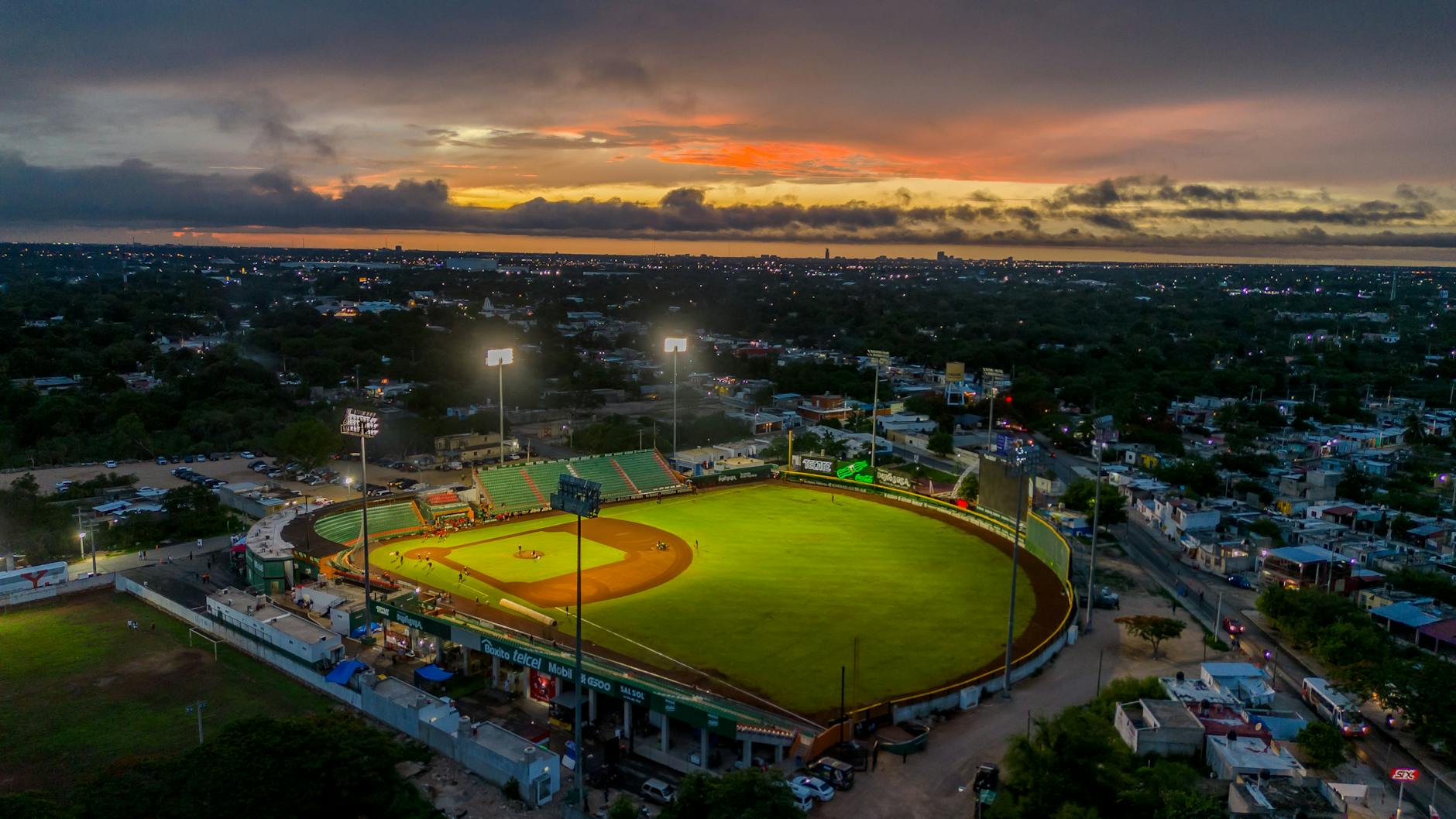
Spring training is a cherished tradition for baseball fans. It marks the return of America’s pastime, offering a tantalizing preview of the upcoming Major League Baseball (MLB) season. It’s a chance to see last year’s favorite players, offseason acquisitions, and future stars in the making all in one place.
This preseason period is a unique experience. Fans can watch their favorite teams and players in a more intimate and relaxed setting than regular season games.
But what does spring training entail? How can fans make the most of this exciting time?
This guide will provide a comprehensive overview of spring training. It will cover everything from understanding the schedule to planning your own spring training experience.
Whether you’re a seasoned baseball enthusiast or a newcomer to the sport, this guide will help you navigate the ins and outs of spring training.
So, let’s dive into all the important details of spring training and get ready for the thrill of the new MLB season.
Understanding Spring Training
Spring training is the preseason period for MLB teams. It begins with pitchers and catchers reporting in the second week of February with the rest of the team reporting approximately a week later. Spring training wraps up in the last two weeks of March.
Players generally workout througout the offseason, but spring training is when teams come back together to prepare for the regular season. Veteran players get the practice in to be ready for Opening Day while young players focus on demonstrating their ability to make the Major League Baseball roster.
All 30 MLB teams are split between the Cactus League in Arizona and the Grapefruit League in Florida. This division offers fans a choice of destinations to experience.
Not only is spring training vital for team preparation, but it also offers fans a unique chance to see players up close. You can often watch batting practice and other training drills not easily accessible during the regular season.
The Cactus League and Grapefruit League Explained
MLB’s spring training is split into two leagues, the Cactus and Grapefruit Leagues. Both offer distinct settings for teams and fans.
The Cactus League is based in Arizona. It involves Arizona, the Athletics, Chicago Cubs and White Sox, Cincinnati, Cleveland, Colorado, Kansas City, Los Angeles Dodgers and Angels, Milwaukee, San Diego, San Francisco, Seattle, and Texas. Teams are largely concentrated in the Phoenix area with some teams also in Touscon.
Meanwhile, the Grapefruit League takes place across Florida. Atlanta, Baltimore, Boston, Detroit, Houston, Miami, Minnesota, New York Mets and Yankees, Philadelphia, Pittsburgh, St. Louis, Tampa Bay, Toronto, and Washington all make up the Grapefruit League. Teams are scattered throughout the state.
Fans can choose based on their team affiliations or preferred travel destination. Both leagues offer exclusive experiences and access to players in ways not possible during the regular season.
Spring Training Schedule Highlights
Games typically start the last week of February and continue until the third week of March. The schedule includes matchups between MLB’s biggest current stars as well as talented young players looking to make their mark. It gives fans the first glimpse of offseason trades and potential team strategies.
Important dates to mark on your calendar include opening games of each league. You’ll want to attend key rivalry matches and marquee games.
Here are some important highlights:
- Cactus League Opening Day
- Grapefruit League Opening Day
- Innings Festival concert in Tempe, AZ
- Key Rivalry Matchups
- St. Patrick’s Day Games
- Closing Weekend
This mix of events promises excitement. Fans should plan according to personal favorites and intriguing matchups. Checking the schedule early helps in planning the perfect trip.
Planning Your Spring Training Experience
Planning your spring training adventure requires some foresight. It starts with choosing which games to attend. Fans should consider the proximity of games to their accommodations. It’s also important to keep in mind that early games are less likely to feature starting players because the teams are still looking at minor leaguers and non-roster invites.
Engage in local attractions between games to enhance your trip. Exploring the culture of Arizona or Florida adds richness to your visit.
Remember, spring training offers a relaxed atmosphere. It’s important to pace yourself and enjoy each moment.
Checking the spring training schedule is crucial. This ensures you catch your favorite teams and must-see players.
Many venues have unique attractions. From stadium tours to fan events, these experiences create lasting memories.
Booking in advance can save you money and stress. Early reservation is often rewarded with better options and prices.
Securing Tickets and Accommodations
Tickets for spring training are generally affordable, but popular games sell out fast. It’s a smart move to purchase them early to ensure good seats.
Accommodations near the stadiums also fill up quickly. Booking your stay well in advance can help you avoid last-minute disappointments.
Consider packages that include game tickets, hotels, and transportation. These provide convenience and can often save money.
If you wait too long, you may miss out on prime accommodations and best game tickets. Planning ahead ensures a smooth trip.
What to Expect at the Ballpark
Ballparks during spring training host a lively and welcoming atmosphere. Fans can enjoy a close-up view of players in a relaxed setting.
Expect shorter lines, less crowded spaces, and affordable concessions compared to regular season games. This makes for a pleasant and intimate fan experience.
Many venues offer unique local foods and drinks. You can savor regional specialties while watching your team play.
It’s advisable to arrive early. This allows you to enjoy pre-game activities, including player warm-ups and batting practice.
Tips for a Memorable Spring Training
Attending spring training requires a little planning and preparation for maximum enjoyment.
Layering your clothing is essential due to varying temperatures. The day might start cool and end warm.
Bring sunscreen and a hat to protect from the sun. Most games are played during the day, when the sun is strongest. Both Florida and Arizona are warm enough that you will get sunburned.
Make friends with the staff and other fans. Retirees to both Florida and Arizona are regulars at the ballpark. They often share valuable insider tips that can enrich your experience.
Don’t forget to explore the surrounding areas. Local sites, restaurants, and events can offer a taste of the regional charm and hospitality.
Engaging with Teams and Players
Spring training presents a rare chance to meet players up close. The relaxed atmosphere makes athletes more approachable for autographs or photos.
Take advantage of open practices and fan events. These opportunities often allow for unique interactions with your favorite team and uncover behind-the-scenes insights.
The Impact of Spring Training
Spring training provides an economic boost to host cities. Thousands of fans spend money on local hotels, restaurants, and attractions.
Beyond economics, it’s a thrilling time for fans and players. The preseason energizes communities and signals the return of baseball, fostering anticipation for the upcoming season.
Staying Updated and Connected
To keep up with spring training news, follow your favorite teams on social media. Teams frequently share updates, player highlights, and behind-the-scenes content.
For in-depth coverage, check out sports apps and websites. These resources offer live stats, schedules, and player performance details, keeping you connected throughout the preseason.
Embrace the Preseason Excitement
Spring training marks the joyful beginning of the baseball season. Fans get a glimpse of new talents and enjoy relaxed games in beautiful settings.
As you plan your visit, embrace every moment. From shared memories with other fans to watching the players, spring training offers an unforgettable start to the baseball year. And don’t forget to brush up on your baseball knowledge before you go.