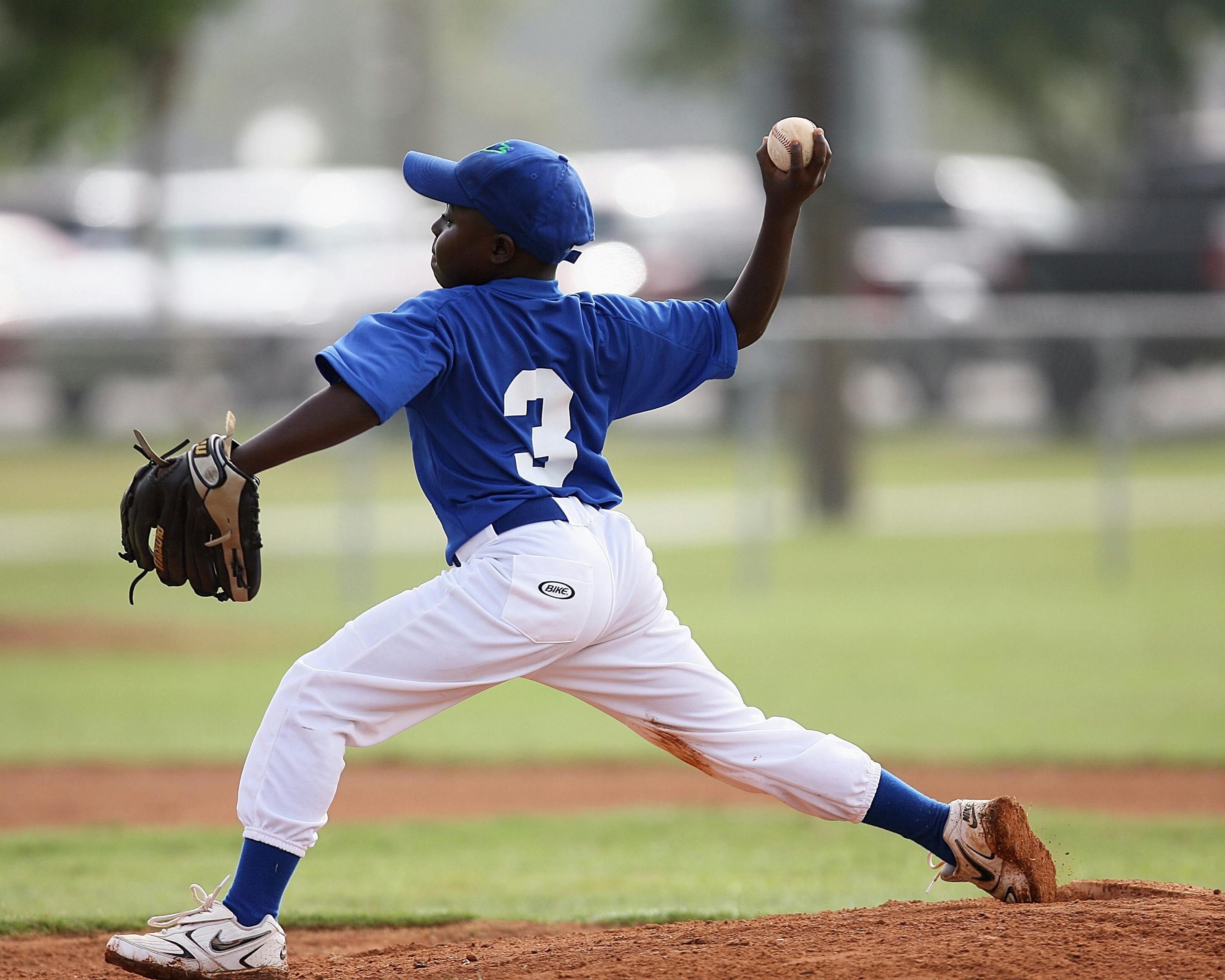
It’s estimated that about 10% of people in the world are left handed. Selecting the perfect baseball glove is crucial for any player, but it can be tricky to find a great glove when you are left-handed. Glove manufacturers offer limited options compared to the number of gloves available for right-handed players. This guide walks you through the process of choosing the best left-handed baseball gloves, ensuring you get a great fit from your mitt to enhance your performance on the field.
Baseball gloves designed for players who throw with their left hand and catch with their right come in a variety of styles just like right handed gloves. Each position on the field requires slightly different glove designs tailored for the expected fielding at the position. Understanding the differences will help you make an informed choice.
Left Handed Baseball Youth Gloves Matter for Young Players
For young players in Little League and other organized baseball programs, having a glove that fits well is especially important. Left handed youth baseball gloves are crafted to accommodate smaller hands while ensuring comfort and ease of use. A good fit can significantly impact a young player’s ability to catch and control the ball, boosting their confidence and enjoyment of the game.

Key Features to Consider
When selecting a left handed baseball glove, several factors come into play. Here are some key features to consider:
Material
The material of a glove affects its durability, flexibility, and comfort. For the most part, gloves are either made of leather or a synthetic designed to resemble leather.
- Leather is highly durable and is the material used for gloves dating back over 100 years. Depending on the glove, it may require some effort to break-in.
- Synthetic gloves tend to be more affordable and weigh less. They often don’t last as long as leather.
Size
Choosing the right size is crucial for comfort and performance. If you see a glove size in inches, it refers to the distance from the tip of the index finger down to the heel of the glove. The exception is catcher’s mitts, which are measured by the circumference. In general, glove sizes break down this way:
- Infielders: 11 to 11.75 inches
- Outfielders: 12 to 13 inches
- Pitchers: 11.5 to 12 inches
- Catchers: 31-34 inches
Webbing
The webbing of a glove is the part between the thumb and fingers. It can affect how easily you catch and secure the ball in your glove.
- Closed Web gloves are better for pitchers attempting to hide the ball.
- Open Web gloves allow dirt and debris to pass through, ideal for infielders.
Fit and Comfort
A glove should fit snugly on the hand, but not too tight. Pay attention to wrist adjustment options when shopping. Common adjusters include Velcro or lacing. While it is easier to find left handed gloves online, if you can find a local store that carries them it is far easier to find a glove that fits by trying them on in person.
Special Considerations for Left-Handed Catchers
Left-handed catchers are so rare that the last time one played in Major League Baseball was over 35 years ago. This was partly due to the number of right handed batters who would block a left handed thrower. This could change with the big increase in lefty batting players. Left handed catchers mitts are available in many of the same styles popular with righties.
Catchers mitts are typically larger with lots of extra padding and a closed web to handle fast pitches effectively. The extra padding is essential for protecting your hand from high-speed pitches. Look for a mitt that offers a balance between protection and flexibility, allowing you to catch and release quickly.
Top Brands and Recommendations
Several reputable brands offer quality left handed baseball gloves.
Rawlings
Rawlings is known for its high-quality leather gloves. Their left handed models offer excellent durability and performance, making them a favorite among players.
Wilson
Wilson gloves are praised for their comfort and craftsmanship. They provide a range of options for different positions and preferences.
Mizuno
Mizuno offers a variety of gloves that cater to both youth and adult players. Their left-handed options are designed with attention to detail and player comfort in mind.
Easton
Easton provides affordable options without compromising on quality. Their gloves are ideal for beginners and youth players looking for reliable performance.
Tips for Breaking In Left Handed Baseball Gloves
Once you’ve chosen your glove, breaking it in is the next step. Here are some tips to get your glove game-ready:
- Use a Glove Mallet: Gently pound the pocket and webbing to soften the leather.
- Apply Glove Conditioner: If you have a leather glove, conditioner is essential to keeping it in top shape.
- Play Catch: The best way to break in a new glove is to use it.
- Store Properly: Keep your glove in a cool, dry place. If you don’t use it for a few months, considering wrapping a ball in the pocket to help keep the glove’s shape.
Conclusion
Choosing the best left handed baseball glove involves understanding what works for your hand, as well as the specific features that will enhance your game. By considering material, size, webbing, and fit, you can find a glove that not only meets your performance requirements but also feels comfortable. Whether you’re a youth player or a seasoned high school lefty, investing time in selecting the right glove will pay off every time you step onto the field.
Remember, the right glove can make a world of difference in your performance, Take the time to choose wisely and break it in properly for optimal results.